GUEST
COLUMN

Nick
SIZEMORE
Photo by PepeCura - stock.adobe.com
SCROLL
DOWN
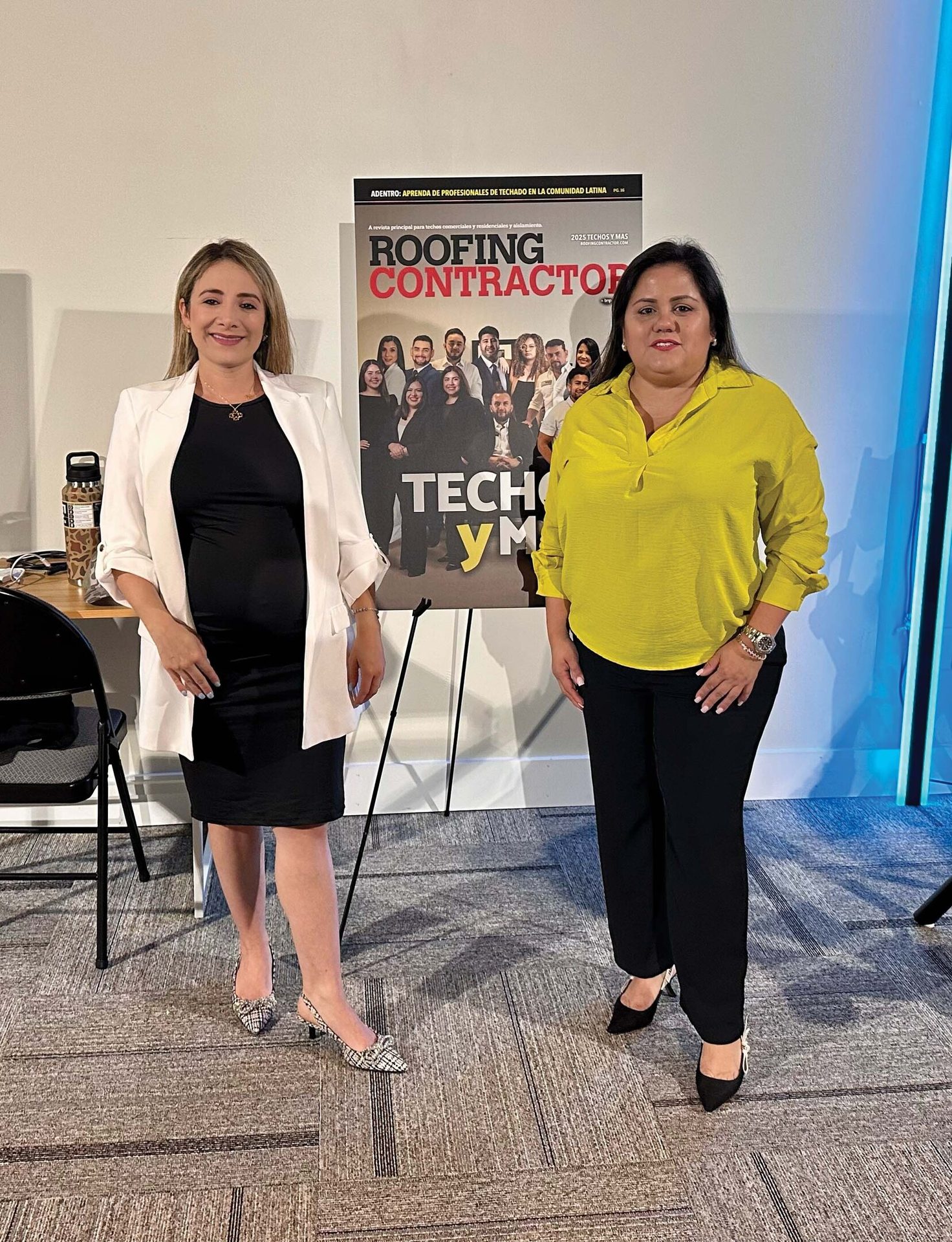
Danaik Garay of AlSteel Roofing in Fort Myers, Florida, and Diana Barriga of Property Master Solutions in Orlando, Florida, are two NWIR members who are leading the Hispanic Connection Council initiative.
Experts say roofers shouldn't mix different types of vents on roofs, as seen here.
Culture Over Compliance: Building Trust from the Inside Out
Create long-term success not by focusing on the work, but by investing in the people who do it.
The success of a roofing company depends less on the roofs themselves and more on the people behind them. You don’t build long-term growth by focusing only on the work, you build it by investing in the people who do it. It’s a realization that’s come from doing the work and learning along the way.
In battle, culture could mean life or death. In business, it often determines whether a company survives or scales. But the truth is, whether you’re on a flight line in the Middle East or a roof in Cape Coral, the culture you create is far more powerful than the rules you write.
As someone who has served in the United States Air Force, I’ve seen both sides: elite teams built on trust, and dysfunctional teams built on fear. The difference isn’t compliance. It’s culture.
Make no mistake about the following:
Culture is not compliance. It’s not your handbook, your safety manual, or your HR poster. Culture is how your people feel about showing up.
The Illusion of Control: Why Rules Alone Don’t Work
Many roofing companies try to manage their team through rules. More rules. Stricter rules.
Better rules. But what I’ve learned is that compliance doesn’t inspire performance. It might produce obedience, but it doesn’t produce loyalty, initiative, or growth.
Yes, rules matter. Safety protocols, checklists, SOPs, we need those. But when leadership uses rules instead of relationships, it can create a fear-based culture. People don’t think, they comply. They don’t own outcomes, they protect themselves.
This is how you get: Crews who hide mistakes until they snowball; office staff who “cover their a**” instead of solve problems. Foremen who enforce rules but never inspire growth.
You might hit short-term metrics, but long-term? You bleed out trust. And trust is your lifeblood.
What Trust Really Looks Like
Trust isn’t built in all-hands meetings or company slogans. Trust is built one decision at a time, by leaders who consistently show up the right way.
As a RAVEN in the USAF, we were tasked to protect high-risk air missions in some of the most dangerous environments on Earth. Rest assured, we didn’t trust our teammates because of their rank. We trusted them because we had seen them make hard calls under pressure. We knew they’d cover their area of observation. We knew they’d speak up when necessary.
In roofing, it’s not so different. Your crews don’t trust you because you’re the boss. They trust you when:
- You walk the talk, even when it’s inconvenient.
- You call out poor behavior from top performers, not just rookies.
- You admit your own mistakes.
- You protect them when customers get aggressive or unfair.
Trust is a pattern of leadership behavior. It can’t be demanded, it has to be earned.
"Make no mistake about the following: Culture is not compliance. It’s not your handbook, your safety manual, or your HR poster. Culture is how your people feel about showing up."
Vulnerability Is a Leadership Skill
Brené Brown, researcher and author of Daring Greatly, put it best: “Vulnerability is not weakness. It’s the courage to show up when you can’t control the outcome.”
This is where a lot of roofing leaders get stuck. We think we have to be the strongest person in the room. Always in control. Always right. But that’s not leadership. That’s armor.
Real leadership is sitting down with a foreman and saying: “I messed up the job schedule last week. That’s on me and I’ve put a system in place so it won’t happen again.”
Or telling a new crew member: “I don’t expect you to know everything. But I do expect you to speak up when you need help or something doesn’t look right on the job.”
When leaders model vulnerability, they create psychological safety, a culture where people feel safe to speak up, ask questions, challenge the process, and admit when something isn’t working.
That’s not weakness. That’s how teams win.
Consistency: The Culture Multiplier
You can’t build trust with words and break it with behavior.
One of the quickest ways to lose a team is inconsistency. When leadership is unpredictable and the rules change based on who’s involved, when discipline is uneven, or when decisions feel political, people will disengage.
What you tolerate becomes your true policy
If one crew gets away with sloppiness and another gets written up, don’t expect either to care about doing the right thing. They’ll just focus on staying out of trouble.
At Roman Roofing, we train our leaders from project coordinators to supervisors to be
consistent with:
- Follow-through: Do what you say you’re going to do.
- Feedback: Don’t wait for a blow-up. Give small corrections early and often.
- Standards: Uphold the same expectations for every crew, every time.
Consistency isn't sexy. But it’s the secret sauce behind our culture.
How to Build a Culture That Lasts
You don’t need a trust fall seminar or a company retreat to build culture. You need leadership habits that show people who you are and what you stand for.
Here’s where to start:
- Lead by Example — Especially When It’s Hard
Integrity isn’t tested when things are going well. It’s tested when it costs you something. If you expect crews to own their mistakes, show them how. - Use Feedback as Fuel
Don’t wait for problems to blow up. Build weekly feedback loops. Recognize what’s working. Challenge what’s not. Create space for honest dialogue. - Coach, Don’t Just Correct
Correction says, “You messed up.” Coaching says, “You’re better than this, let’s fix it together.” - Be Transparent with Decisions
If you’re making a policy change, explain why. If you promote someone, explain what they earned. Transparency builds alignment. - Celebrate the Right Behaviors
If you only reward production, you’ll create a “win at all costs” culture. Instead, highlight values, teamwork, communication, and integrity with how you recognize people.
Why Culture Drives Retention and Performance
In the trades, we talk a lot about the labor shortage. How it’s hard to find good people. How no one wants to work.
But here’s what I believe: People don’t leave companies. They leave culture.
They leave leaders who:
- Don’t listen.
- Don’t develop them.
- Don’t live by the same rules they enforce.
And they stay for:
- Purpose and belonging.
- Recognition and growth.
- Leadership that sees their potential.
A strong culture reduces turnover, increases referrals, and creates crews who perform even when no one’s watching. That’s worth more than any marketing campaign or bonus program.
From Compliance to Commitment
When culture is healthy, compliance becomes natural. People don’t follow the rules because they’re afraid of getting written up. They follow the rules because they care about the team, the customer, and the mission.
That’s the difference between checking a box and building a brand.
At Roman Roofing, we’re not perfect. We make mistakes. We drop the ball. But we’ve committed to showing up with ownership, empathy, and clarity. This commitment has shaped a culture we’re proud of.
We don’t need to scare our team into compliance. We build trust so they commit to something bigger than themselves.
That’s the difference between managing people… and leading them.
*Based on testing conducted by a third party in 2017 using UltraPly™ TPO SA versus standard adhered TPO. Application times vary with settings and environmental factors; actual results will vary.
**ISOGARD polyiso insulation performed up to 40% better in cold temperature 40°F (4°C) applications according to ASTM C1289 standards than major competitors when tested by an independent third party in September 2022. The increased R-value per inch indicates better thermal performance in cold temperature 40°F (4°C) from the same roofing systems using the same amount of insulation compared to leading competitive products on the market today. Results may vary.
Nick Sizemore is Executive Team Lead at Roman Roofing, Inc., where he has helped build one of the fastest-growing roofing companies in the country. He is a strategist, problem-solver, and leadership developer with a professional background spanning the U.S. Air Force, the nuclear industry, and high-growth marketing and construction companies.